Peter Smith
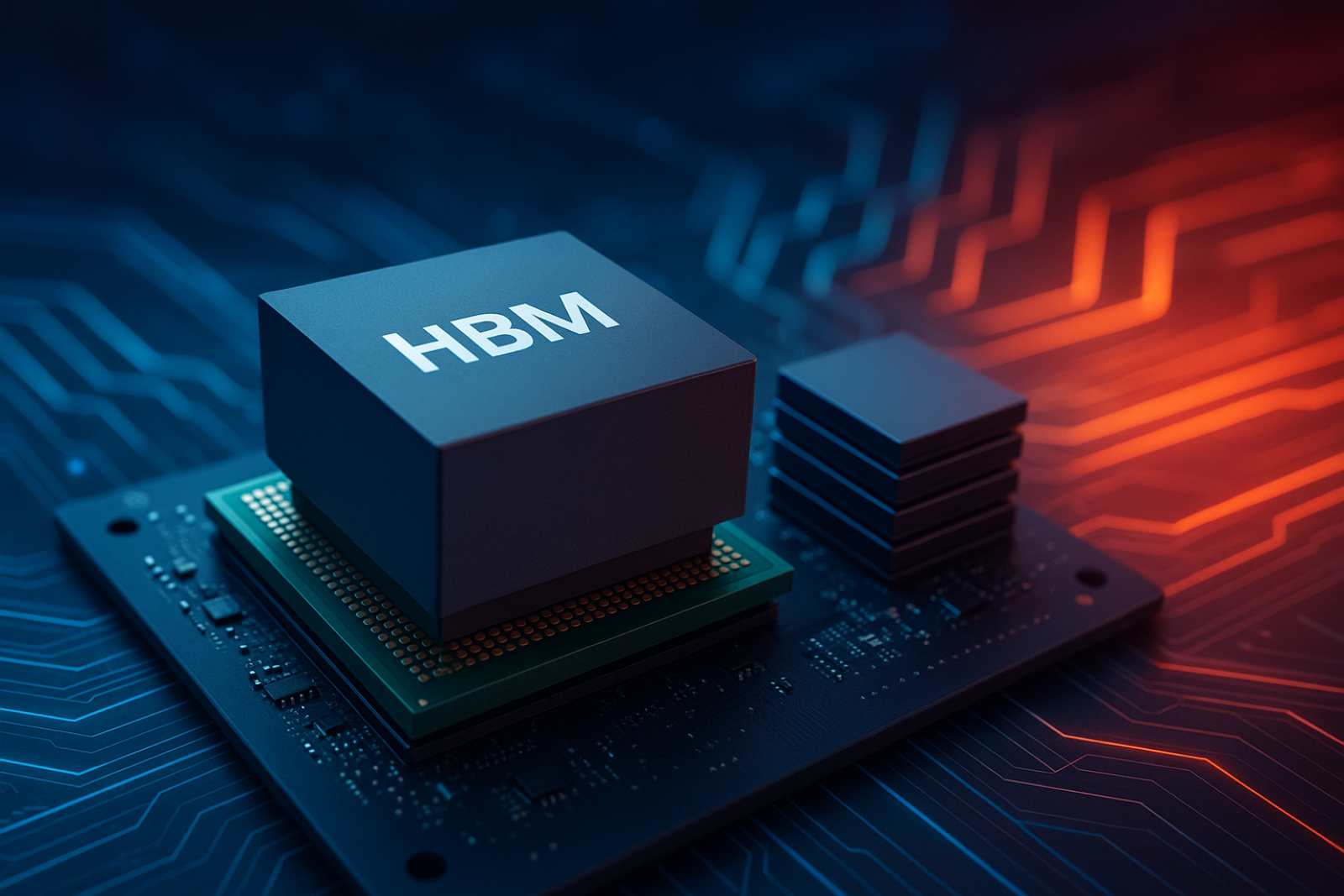
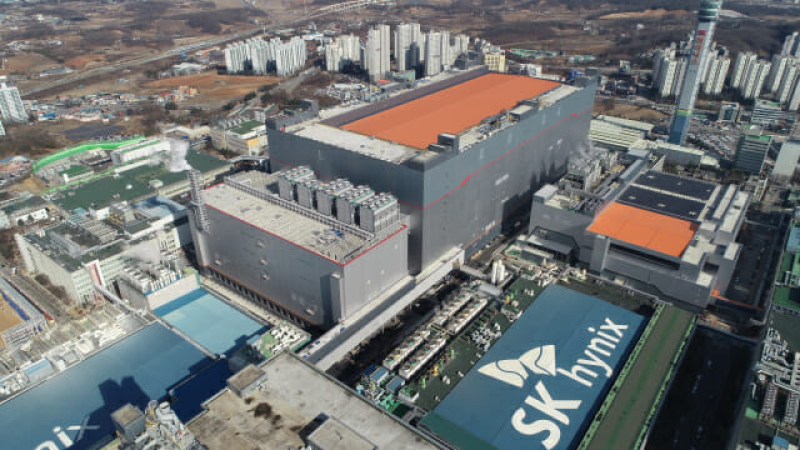
⬤ SK Hynix has quietly adjusted its production timeline for HBM4, the next generation of high-bandwidth memory. The full ramp-up has been pushed back by one to two months, now scheduled for Q3 instead of late Q2. Even the initial mass production start has shifted from February to somewhere between March and April next year.
⬤ HBM4 represents a significant leap forward with some serious upgrades under the hood. The new generation doubles the number of I/O terminals to 2,048 and moves the logic die manufacturing to a foundry-based process. SK Hynix has already shipped 20,000 to 30,000 sample units for early testing, but the company is now taking a slower approach to procuring the components needed for full-scale production.
⬤ For at least the first half of next year, HBM3E will remain SK Hynix's primary product in the high-bandwidth memory space. The company actually ramped up HBM3E production more than originally planned after discussions with customers revealed stronger-than-expected demand. The delay in HBM4 seems tied to broader challenges across the AI hardware industry, particularly the technical complexity of integrating new memory standards and ongoing constraints in advanced packaging technologies like TSMC's CoWoS.

⬤ This timeline shift shows just how interconnected memory production is with the wider AI chip ecosystem. When memory makers adjust their schedules, it ripples through expectations around next-gen system performance, supply allocation, and the pace at which the industry transitions from current to future AI platforms.
 Peter Smith