Eseandre Mordi
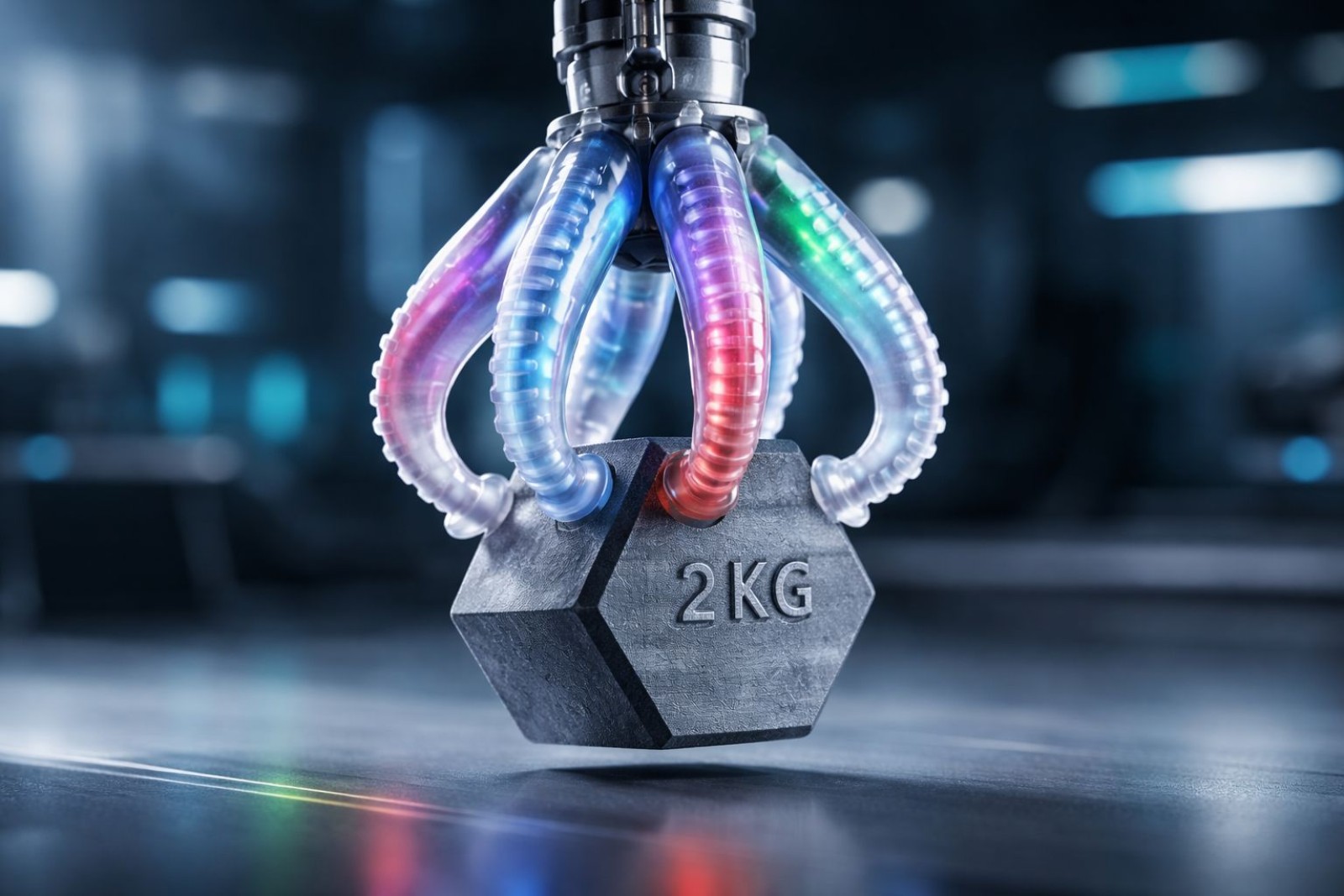
⬤ A fresh take on soft robotics called SpiRobs is turning heads by copying the natural spiral shape of octopus arms. These robots pull off octopus-level flexibility using nothing more than basic cable systems—no fancy sensors or heavy computing needed. The secret's in the logarithmic spiral design that nature's been using forever.
⬤ Here's how they work: flexible, cone-shaped bodies curl up and stretch out when you pull two or three cables inside them. They just naturally mold around whatever they're grabbing, adjusting to different shapes and sizes on the fly. The coolest part? They've built everything from tiny one-centimeter grippers to massive one-meter arms that can mount on drones, plus multi-arm setups that work together to wrap around tricky objects. Since it's all cable-driven, the whole system stays lightweight and simple.
⬤ The numbers are seriously impressive. These little robots can hoist stuff weighing 260 times what they weigh—we're talking a 38.4-gram bot lifting 10 kilograms. When they tested automated grabbing, it worked 95% of the time. And the same basic design scales perfectly whether you're building centimeter-sized tools or meter-long manipulators. Turns out you don't need rigid parts or tons of sensors when you've got smart geometry and bendy materials working together.
⬤ This matters because soft robots are popping up everywhere—factories, hospitals, warehouses, even environmental cleanup jobs. SpiRobs proves you can keep things mechanically simple while still getting serious strength and precision, which is exactly what real-world robotics needs right now.
 Eseandre Mordi